
BINGO is high-performance photogrammetric bundle adjustment software for aerial, oblique, drone and close-range photogrammetry, camera and sensor calibration, and combined geodetic networks.
Developed since 1980, BINGO combines rigorous adjustment and statistical quality control with exceptional processing performance. It is designed for projects where accuracy matters and where you also need to understand, verify and efficiently process how that accuracy was achieved.
Developed since 1980 · More than 500 licenses sold · Used worldwide · Maintained and developed by Geodelta

More than a black-box bundle adjustment
In many photogrammetric systems, bundle adjustment is one automated step in a larger workflow. That works well for standard production.
BINGO is designed for situations where you need more control: demanding block geometries, camera calibration, heterogeneous sensor configurations, combined observations, independent quality assessment or research applications.
Its flexible functional and stochastic models let you describe the observations and their quality explicitly. Least-squares adjustment, statistical testing and detailed reporting then provide both the adjusted result and the information required to assess its precision and reliability.
Rigorous quality control
BINGO calculates residuals, precision and redundancy and provides statistical testing including Data Snooping and variance component estimation. Weak geometry and suspect observations can therefore be identified rather than hidden inside the adjustment.
Flexible modelling
Image observations, ground control, survey observations and GNSS/IMU data can be included in one adjustment. Extensive additional-parameter models support camera self-calibration and the modelling of systematic image errors.
Traceable results
Detailed output records observations, adjustment iterations, estimated parameters, residuals, precision and reliability measures. Results can therefore be inspected, reproduced and explained.
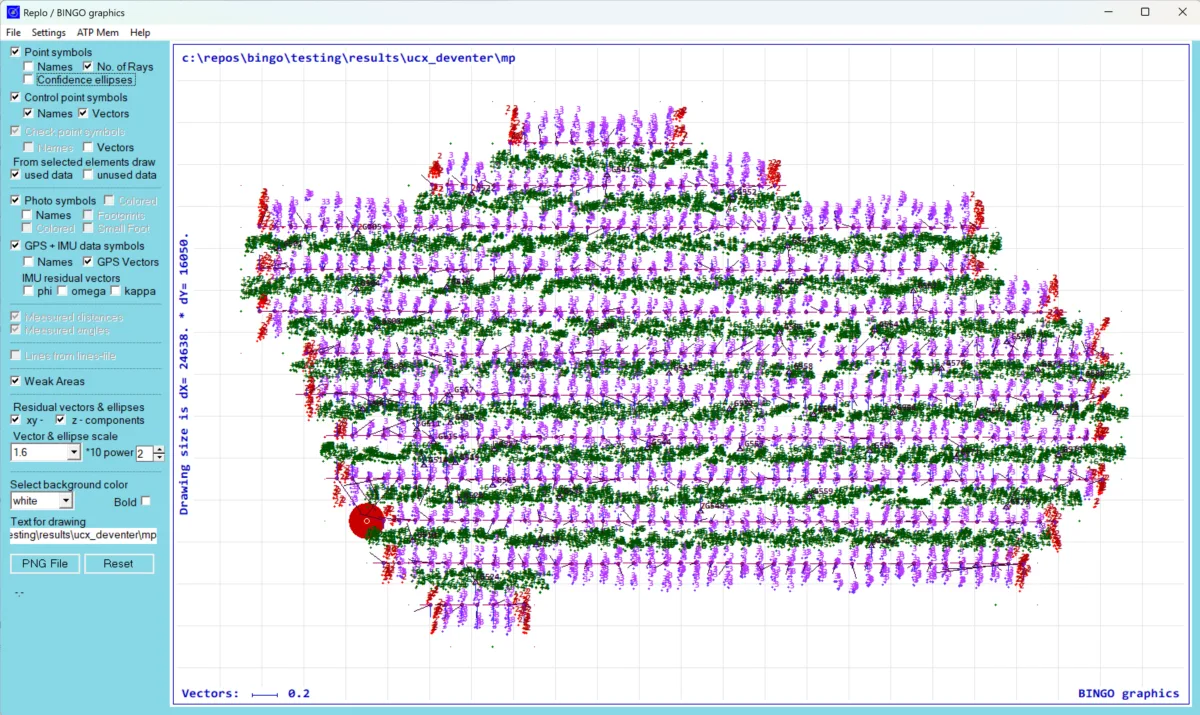
Built for very large image blocks
Modern photogrammetric blocks keep growing. Higher overlaps, multi-camera systems and oblique imagery can increase the number of images and observations dramatically. A five-camera oblique system, for example, produces five images at every exposure position, dramatically increasing the size of the photogrammetric block and the number of observations to process.
BINGO is designed to keep the adjustment practical at this scale.
Its highly optimized adjustment engine uses parallel CPU and GPU processing to handle very large bundle block adjustments efficiently. GPU acceleration is not limited to solving the adjustment itself: computationally demanding statistical quality control, including Data Snooping, can also be performed using the GPU.
This is particularly important for large aerial and oblique blocks. Statistical testing can otherwise become a significant computational task.
Fast adjustment
BINGO's optimized numerical implementation is designed for high-performance processing of large photogrammetric networks, with GPU processing available for the most demanding blocks.
Fast quality control
Speed does not come at the expense of rigorous testing. BINGO can perform statistical testing and Data Snooping efficiently even on very large datasets.
Ready for oblique imagery
Oblique camera systems multiply the number of images and image observations in a project. BINGO combines the modelling capabilities required for these complex camera configurations with the processing performance needed to adjust and test them efficiently.
Aerial triangulation, oblique imagery and camera calibration
BINGO has a long track record in professional aerial photogrammetry and camera calibration.
It supports bundle block adjustment of large nadir and oblique aerial image blocks, integrated GNSS/IMU observations, camera self-calibration, additional parameters for systematic image errors and complex multi-camera configurations.
This combination of rigorous modelling and high processing performance is particularly valuable for modern oblique camera systems, where multiple camera heads and high image overlap can produce exceptionally large numbers of observations.
BINGO has been used in professional photogrammetric production and in the calibration of aerial camera systems for decades.
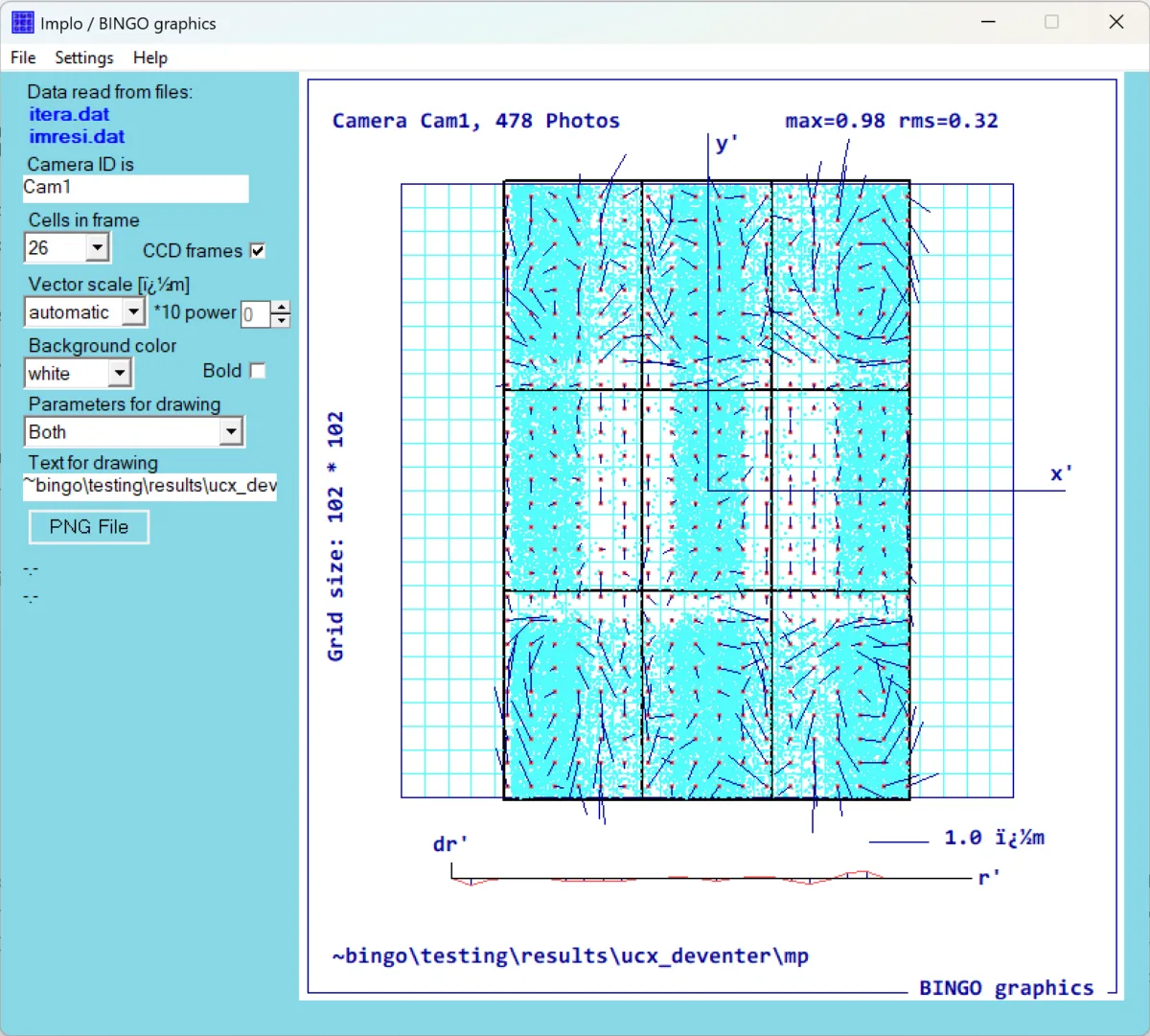
BINGO for drone and UAV photogrammetry
Modern drone photogrammetry software is highly effective at automatic tie-point extraction, image matching and dense reconstruction. BINGO serves a different purpose: rigorous adjustment and quality assessment.
It can be used as a specialist final adjustment step when a UAV project requires explicit camera calibration, integration of RTK or PPK positioning, ground control and check points, statistical testing or more detailed quality information than a standard processing workflow provides.
BINGO therefore complements existing drone photogrammetry software rather than replacing it. Data-exchange workflows are available with established photogrammetric systems including Agisoft Metashape and Pix4D.
This makes BINGO particularly relevant for high-accuracy drone surveying, camera and sensor calibration, test fields, unusual block geometries and projects requiring independently assessable results.
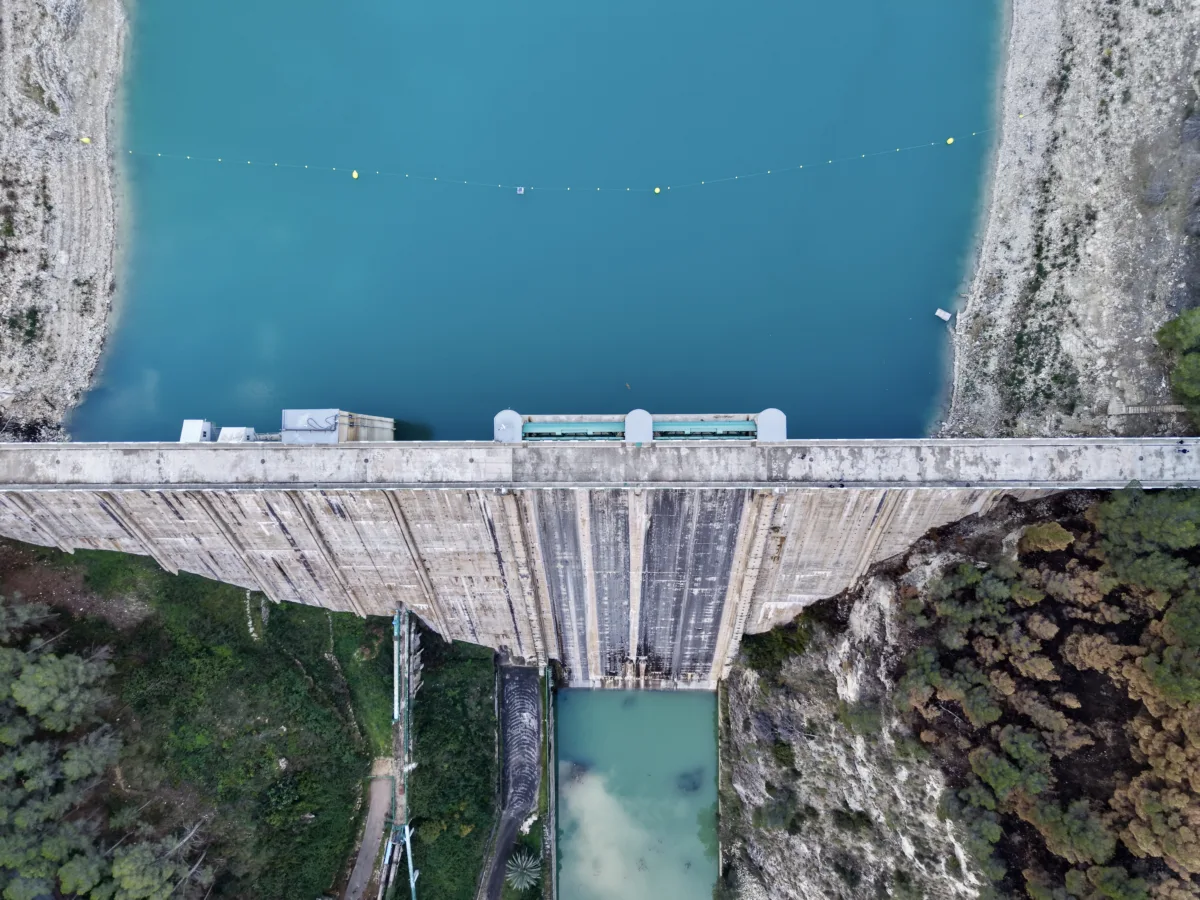
Example applications include high-accuracy UAV surveys of critical infrastructure, where camera calibration, control, statistical testing and reliable adjustment results are essential.
One adjustment for heterogeneous observations
Photogrammetric image observations can be adjusted together with geodetic observations, control information and GNSS/IMU data in one mathematical model. Free-network adjustment and full three-dimensional geodetic network adjustment are also supported.
Typical applications include:
- Nadir and oblique aerial photogrammetry
- Drone and UAV photogrammetry
- Close-range and industrial photogrammetry
- Camera and sensor calibration
- Multi-camera systems
- Combined photogrammetric and geodetic networks
- Free-network adjustment
- Three-dimensional geodetic network adjustment
- Research and other non-standard adjustment problems
Built for specialist workflows
BINGO deliberately focuses on adjustment rather than providing an end-to-end photogrammetric production environment.
The software can therefore be integrated into existing processing chains and automated workflows. Command-line operation supports repeatable processing, while parallel CPU and GPU processing provides the performance required for large image blocks.
For photogrammetrists who need to understand and control the mathematical model, BINGO keeps the adjustment accessible.
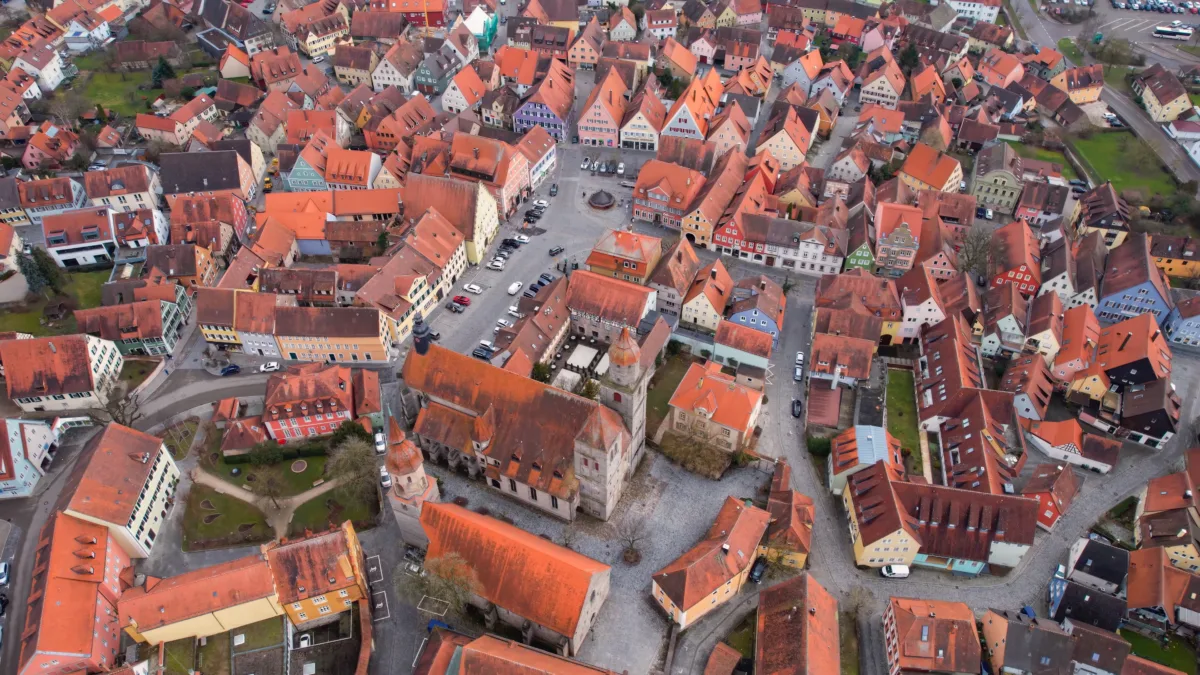
Developed since 1980. Developed further today
Development of BINGO was started by Dr. Erwin J. Kruck in 1980. Over the following decades, the software became widely used for precise bundle block adjustment and camera calibration in aerial and close-range photogrammetry.
Since 1 January 2026, BINGO has been a Geodelta product.
Geodelta continues the maintenance and development of BINGO while preserving the mathematical principles and specialist capabilities on which the software has been built.
Discuss your application with a photogrammetry specialist
Have a block, sensor configuration or calibration problem that does not fit comfortably into a standard workflow?
Tell us about your imagery, block geometry, control, GNSS/IMU observations and accuracy requirements. A Geodelta photogrammetry specialist can help determine how BINGO fits into your processing workflow.